- 菜单

您的浏览器不完全支持。
您正在运行一个过时的浏览器版本,它将不能被OpenWHO完全支持。您可能无法使用如测试提交等重要功能。 请在继续之前更新您的IE或其他浏览器的最新版本(我们推荐Mozilla Firefox or Google Chrome)。
点击此处永久隐藏该警告信息
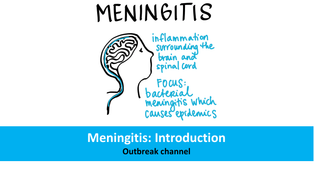
Meningitis is an inflammation of the meninges, the lining surrounding the brain and the spinal cord. Public health concerns mainly focus on the bacteria Neisseria meningitidis, as it can cause larg...
- 自学
- #Current outbreaks, Meningitis
- 下载参与证明
- en
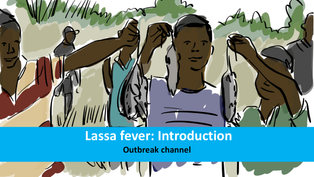
Lassa fever, a viral haemorrhagic fever with symptoms similar to those of Ebola virus disease, is endemic in much of West Africa and usually sparks a seasonal outbreak from December to March. Human...
- 自学
- #Current outbreaks, Lassa fever
- 下载参与证明
- en
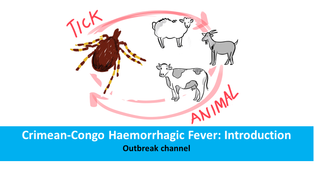
Crimean-Congo Haemorrhagic Fever: Introduction
Crimean-Congo haemorrhagic fever (CCHF) is a widespread disease caused by a tick-borne virus that can result in severe viral haemorrhagic fever outbreaks, with case fatality rates of 10–40%. CCHF i...
- 自学
- #Current outbreaks, Crimean-Congo Haemorrhagic Fever
- 下载参与证明
- en
Seasonal influenza: Introduction
(English/French) Seasonal influenza is an acute viral disease of the respiratory tract transmitted via aerosols or contaminated surfaces from infected people. This course provides a general introdu...
- 自学
- #Current outbreaks, Influenza
- -
- en
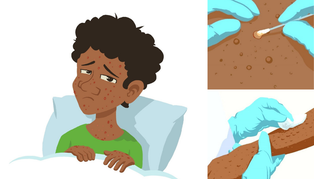
Mpox: Introductory course for African outbreak contexts
OpenWHO
Mpox is an emerging infectious disease caused by a virus transmitted to humans from infected animals, most commonly rodents. It can be spread to other people but person-to-person transmission alone...
- 自学
- #Current outbreaks, Mpox
- 课程结业证书
- en
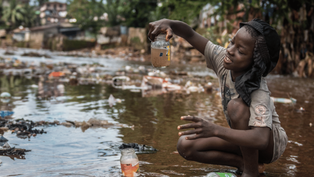
OpenWHO
این دوره سطح مقدماتی یک نمای کلی از وبا شامل اصول پیشگیری و کنترل ارائه می دهد. علاوه بر این، شرکت کنندگان دوره در مورد گروه کاری جهانی برای کنترل وبا (GTFCC) و استراتژی پایان دادن به وبا - نقشه را...
- 自学
- #Current outbreaks, Cholera
- 下载参与证明
- fa-AF
This introductory level course provides a general overview of cholera including prevention and control principles. In addition, the course participants will learn about the Global Task Force for Ch...
- 自学
- #Current outbreaks, Cholera
- 下载参与证明
- en
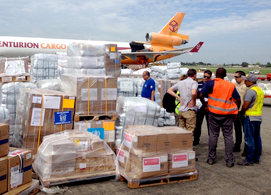
Cholera Outbreaks: Emergency Preparedness and Response
This course outlines the objectives of a cholera outbreak response, how to detect and confirm cholera outbreaks and how to effectively organize the response including describing control measures. ...
- 自学
- #Current outbreaks, Cholera
- 课程结业证书
- en
Mpox and the 2022-2023 global outbreak
OpenWHO
Mpox is an infectious disease which in 2022-2023 caused a global outbreak in over 110 countries, most of which had no previous history of the disease. This course provides a brief overview of mpox,...
- 自学
- #Current outbreaks, Mpox
- 课程结业证书
- en
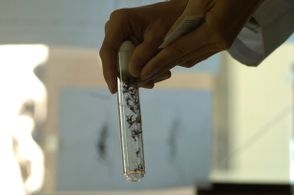
Dengue is a viral infection caused by the dengue virus (DENV), transmitted to humans through the bite of infected mosquitoes. An estimated 100-400 million infections occur each year. This course pr...
- 自学
- #, Current outbreaks
- 课程结业证书
- en
免费学习
完全免费,自由进度,多语言教程
轻松访问
低速宽带环境下载学习资料
探索知识
与世卫专家一起探索循证公共卫生知识
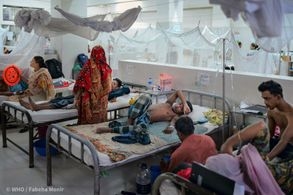
Clinical management of dengue patients in the South-East Asia Region
OpenWHO
This course provides an orientation for the health workforce of the Member States in the South-East Asia Region on the latest relevant guidance and expert experience on clinical case management acr...
- 自学
- #-
- 下载参与证明
- en

Resources for control and management of cystic echinococcosis
OpenWHO
Cystic echinococcosis is a human parasitic disease caused by the tapeworm Echinococcus granulosus sensu latu. The life cycle of this parasite involves a carnivorous definitive host (typically dogs)...
- 自学
- #-
- 课程结业证书
- en
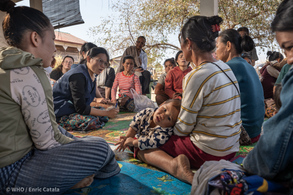
Accountability to Affected People in WHO Health Emergencies
OpenWHO
WHO is the signatory to numerous global Accountability to Affected People (AAP) commitments through the Inter Agency Standing Commitments and the Grand Bargain. This training will introduce emergen...
- 自学
- #Health topic
- 课程结业证书
- en
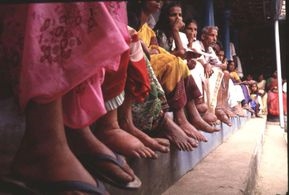
Lymphatic Filariasis Morbidity Management and Disability Prevention
This course is intended to introduce participants to WHO’s Global Programme to Eliminate Lymphatic Filariasis (GPELF), specifically focusing on the strategies to reduce suffering among persons affe...
- 自学
- #NTD
- 课程结业证书
- en
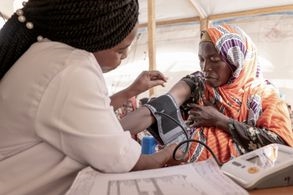
Global competency standards for the provision of health services to refugees and migrants
OpenWHO
Health workers play a vital role in providing people-centred health services and building the resilience of health systems to respond to the health needs of refugees and migrants. This course enhan...
- 自学
- #Health topic
- 课程结业证书
- en
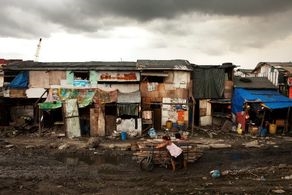
Social Determinants of Health Equity: concepts and evidence
OpenWHO
This 2-hour course, delivered across 4 modules, provides health professionals—including WHO staff, policymakers, frontline managers, and clinicians—with essential knowledge about the social determi...
- 自学
- #Health topic
- 课程结业证书
- en
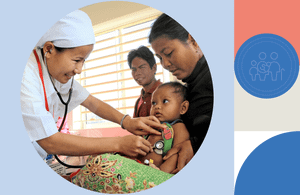
OpenWHO
The aim of this course is to introduce the concept and content of the WHO people-centred approach to addressing antimicrobial resistance (AMR) in the human health sector.
This course is intended f...
- 自学
- #Health topic
- 课程结业证书
- en
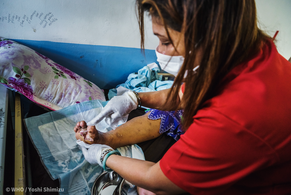
OpenWHO
Chronic wounds represent a widely neglected problem. Many skin NTDs either present with or can develop into wounds/ulcers. In addition, many common skin conditions, such as diabetic foot and venous...
- 自学
- #NTD
- 课程结业证书
- en
Implementing active safety surveillance for medicines and vaccines
OpenWHO
This e-course is designed to help all participants to successfully conduct Active Safety Surveillance studies in their countries. The different modules in the course target the various actors with ...
- 自学
- #Health topic
- 下载参与证明
- en
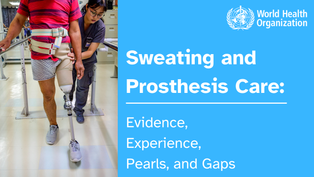
Sweating and Prosthesis Care: Evidence, Experience, Pearls and Gaps
From skin discomfort and irritation to infections and decreased prosthesis fit and functionality, sweating on the residual limb presents a significant challenge with wide-ranging impacts. This cour...
- 自学
- #NTD
- 下载参与证明
- en
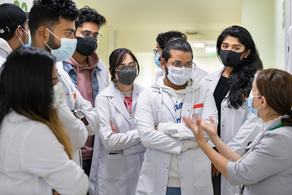
The ABCs of Diagnosing Hyperhidrosis
OpenWHO
This course provides healthcare providers with the information necessary to appropriately diagnose hyperhidrosis (extreme, uncontrollable sweating beyond what is physiologically necessary or expect...
- 自学
- #NTD
- 下载参与证明
- en
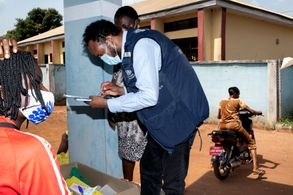
Investigation and management of a yellow fever outbreak
OpenWHO
Clinicians, surveillance personnel and public health practitioners require knowledge and skills to identify, investigate and respond to yellow fever cases and outbreaks in a timely and effective ma...
- 自学
- #Yellow fever
- 课程结业证书
- en
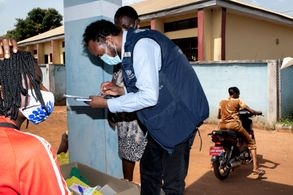
Enquête et gestion d’une épidémie de fièvre jaune
OpenWHO
Les cliniciens, le personnel de surveillance et les praticiens de la santé publique ont besoin de connaissances et de compétences pour identifier les cas de fièvre jaune et les épidémies, enquêter ...
- 自学
- #Yellow fever
- 课程结业证书
- fr
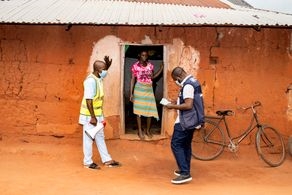
The fundamentals of yellow fever disease, surveillance and laboratory diagnosis
OpenWHO
Effective yellow fever surveillance is dependent on sensitive detection and comprehensive investigation to enable timely detection and prevent large-scale outbreaks. Achieving these goals requires ...
- 自学
- #Yellow fever
- 课程结业证书
- en
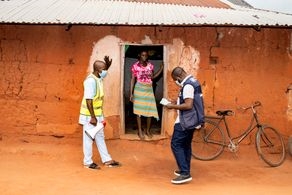
Principes fondamentaux de la maladie de la fièvre jaune, surveillance et diagnostic en laboratoire
OpenWHO
Une surveillance efficace de la fièvre jaune se base sur une détection précoce et une enquête approfondie afin de permettre un dépistage en temps utile et de prévenir les épidémies à grande échelle...
- 自学
- #Yellow fever
- 课程结业证书
- fr
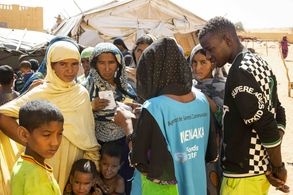
Skin and Migration: Training for national, district-level, and front-line health workers
Understanding skin health is crucial in the context of migration is of particular importance, especially with the increasing number of migrants and refugees globally. This course examines the wide ...
- 自学
- #NTD
- 课程结业证书
- en
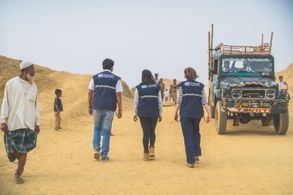
Introduction to the Emergency Response Framework (ERF)
OpenWHO
The Emergency Response Framework provides WHO staff with essential guidance on how the Organization manages the assessment, grading and response to public health events and emergencies with health ...
- 自学
- #Health topic
- 课程结业证书
- en
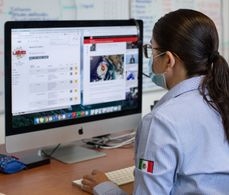
OpenWHO
Epidemic Intelligence (EI) encompasses all activities related to early identification of potential health hazards, their verification, assessment and investigation in order to recommend public heal...
- 自学
- #-
- 课程结业证书
- en
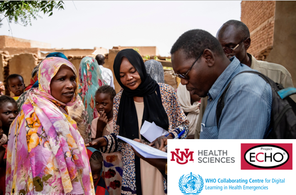
Training of Trainers on Digital Learning for Health Emergencies
This course consists of video recordings from part 1 of the Training of Trainers on Facilitating Interactive Synchronous Digital Learning hosted by the Learning & Capacity Development (LCD) Unit i...
- 自学
- #-
- -
- en
Preventing and responding to sexual misconduct by our implementing partners: Introductory course
OpenWHO
WHO has an obligation to ensure that all those who work for WHO and our implementing partners (IPs) take measures to safeguard against sexual misconduct. This one-hour course explains the importanc...
- 自学
- #Health topic
- 课程结业证书
- en
按主题浏览
+
选择语言
选择语言
使用母语,让学习更简单。
OpenWHO 课程已被翻译成 60 多种国家和地方语言
应对健康威胁
+
最新动态

Attention parliamentarians: Learn how to leverage your role to keep people safer in health emergencies
Parliaments and parliamentarians play a unique and powerful role in achieving health security preparedness through their various responsibilities: law-making, oversight, budgetary allocation, and c...
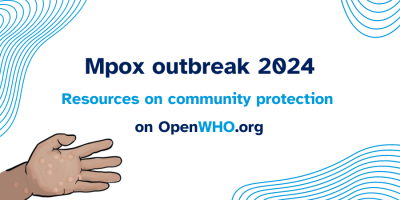
New resource hub for community protection against mpox
Essential learning resources for community protection against mpox are now available on a dedicated page.
Explore OpenWHO courses on Risk Communication and Community Engagement (RCCE) and infodem...
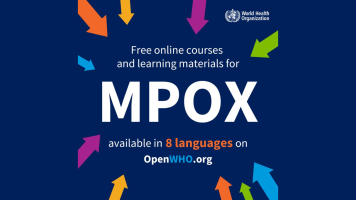
Free online courses on mpox
Mpox transmission occurs via close contact with infected persons, animals, or objects.
Stay safe by avoiding exposure, keeping hands clean, and monitoring for symptoms.
Learn more on mpox here
更多信息
帮助
关于OpenWHO
OpenWHO致力于为所有一线医务人员提供所需知识,帮助一线人员控制疫情发展、应对卫生挑战。OpenWHO也鼓励公共卫生方面的意见交流、反馈与专业知识分享。
关注我们
© 2016 - 2024World Health Organization – 使用条款 – 隐私和数据保护